Have you gone beyond the beginner’s stage of learning the Japanese language? Have you taken certain tests or online classes? Well, congratulations! If you have gotten to this stage, you deserve a thumbs up. You understand basic grammar and the identification of useful vocabulary that will help you when you visit Japan. You can also choose to take your Japanese language to the next level by moving to the intermediate level. This article will let you know what you can expect from a Japanese course in Singapore.
1. Most textbooks will mostly be without any sort of English translation
It helps you to naturally pick up the language instead of constantly referring to the dictionary. The process will help you to learn a new language the same way you learned your first language by attaching each new word with real-life usage and meaning instead of translating to your native tongue. Even though it may look difficult at first, complex grammar will still require more explanation. However, the more you learn Japanese, the more distance you create from your first language.
2. More Kanji to learn
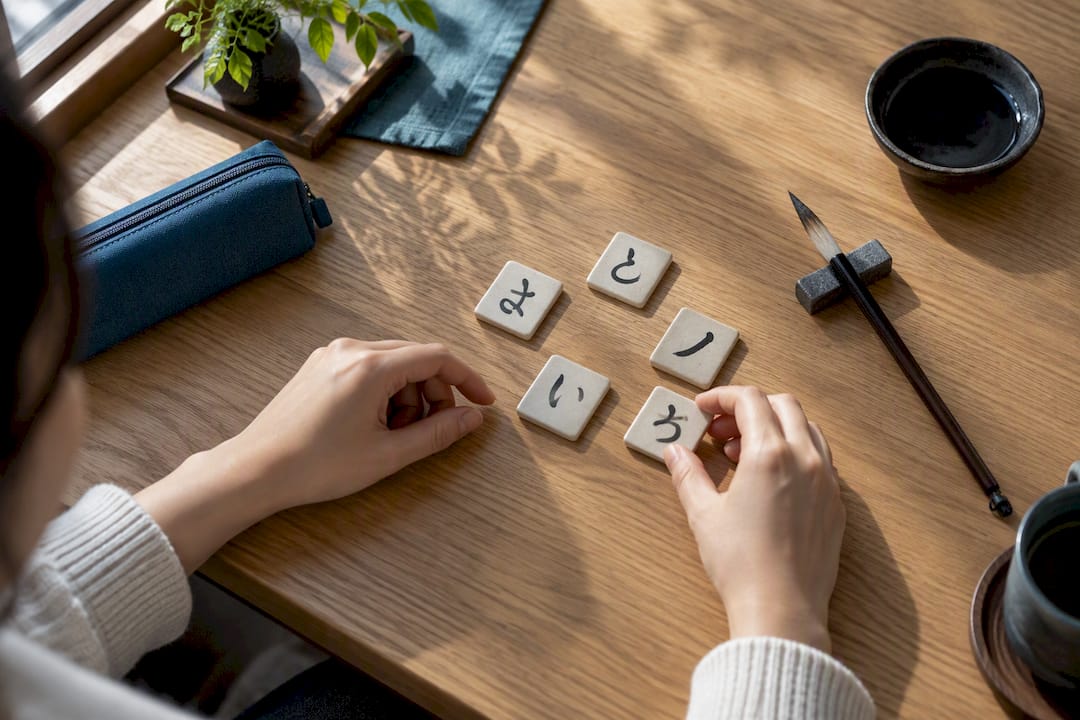
Kanji is the third Japanese writing system (along with hiragana and katakana) and it is the most complex of them all. Understanding Kanji is needed to become an expert in the Japanese language. You should expect to study, see and practice many Japanese kanji. Regardless if you are taking an hour lesson, a weekly class or studying in a language school, you will have to dedicate some time to kanji on your own especially with the aid of textbooks, apps or websites.
3. Get more integrated
Instead of focusing majorly on CDs and textbooks alone, your teacher may ask you to play certain roles with the aid of phrases and scenarios just to enhance your understanding. It may be strange at first but, it is needed to improve your confidence while practising Japanese naturally. You may be required to carry out a role-play based on the lessons. The role-playing can be performed in-groups and it can boost your confidence in speaking Japanese.
4. Prepare for the presentations
As a method to test your understanding, you may be required to make a presentation for several minutes about a Japanese subject that you are interested in. This could be done using a series of Microsoft PowerPoint, a speech or with the use of only photographs. Usually, after one or two presentations, you will start to speak with confidence about the things that catch your interest. Some of the topics that are assigned include family, hobbies or certain aspects of Japan.
5. Expect the classes to be carried out in Japanese
This will most definitely happen if your teacher is a native Japanese speaker. They will teach most of your classes in Japanese to enhance your listening and hearing of the natural Japanese language.
Although it may encourage you to use the Japanese language frequently, it can also be difficult because you will not have access to an English explanation especially if you are unable to understand the lessons. With that said, you must always be prepared to only use Japanese in class – so get out of your comfort zone and push yourself to be better in acquiring the language.
Understanding these expectations and keeping them in mind will make you stronger while preparing for your higher-level Japanese studies. Furthermore, you should get ready to work hard and enjoy it. You can contact us for more inquiries about Japanese courses in Singapore.